


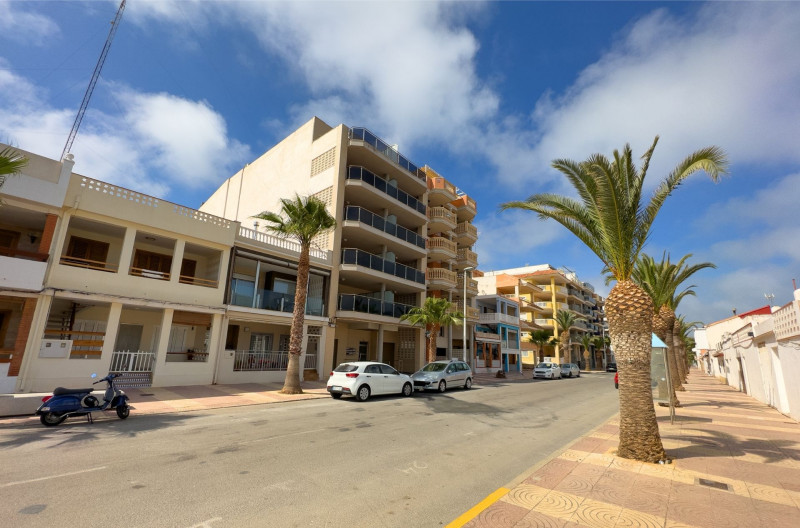
Purchasing property in Spain as a non-resident is an exciting step, but navigating the mortgage process can feel overwhelming. Many international buyers are surprised to learn that non-residents can secure up to 70% of a property’s value through a Spanish mortgage. Whether your goal is a holiday retreat on the Costa del Sol, a comfortable home for retirement, or a long-term investment property, understanding your financing options is key to making the right decision. This guide explores the different types of mortgages available, the documentation required, associated costs, and practical advice for securing the most favourable deal in 2026.
Understanding Mortgages for Non-Residents in Spain
Mortgages for non-residents differ from those for Spanish residents, primarily in deposit requirements and interest rates. Non-residents usually need to provide a deposit of between 30% and 40% of the property’s purchase price. Spanish banks assess applications based on income, employment stability, credit history, and the property’s location. While interest rates for non-residents tend to be slightly higher, the process is straightforward for those who prepare in advance and meet the lender’s criteria. With careful planning, securing a mortgage as a non-resident is entirely achievable.
Types of Mortgages Available for Non-Residents
Fixed-Rate Mortgages
A fixed-rate mortgage offers stability by locking in the same interest rate throughout the term. This ensures consistent monthly payments, making it easier to manage finances from abroad. For non-residents, this predictability is often appealing, as it protects against potential fluctuations in the European interest rate market.
Variable-Rate Mortgages
A variable-rate mortgage has an interest rate linked to the Euribor, the benchmark for most mortgages in Spain. Although variable rates usually start lower than fixed rates, they can increase over time depending on economic conditions. This type of mortgage suits borrowers comfortable with potential rate changes who wish to benefit from lower payments when market rates are favourable.
Interest-Only Mortgages
An interest-only mortgage allows borrowers to pay just the interest for a limited period, usually between one and five years. This option can be advantageous for investors seeking to maximise short-term cash flow or for those planning to sell or refinance before the principal repayment begins. However, buyers should be aware that the total cost will increase once principal payments start.
Mixed Mortgages
A mixed mortgage combines the benefits of both fixed and variable rates. Typically, the initial years of the loan have a fixed rate, followed by a variable rate for the remaining term. This approach offers the security of predictable payments early on, while still allowing the borrower to benefit from potential rate reductions in the future.
Documentation and Requirements for Non-Resident Mortgages
Applying for a mortgage as a non-resident in Spain requires specific documentation. Applicants must provide valid identification, including a passport and a Número de Identificación de Extranjero (NIE). Proof of income is also required, typically in the form of recent payslips, tax returns, and bank statements. Lenders will request detailed property information such as a valuation report and the signed purchase contract. Financial details, including existing debts, credit score, and debt-to-income ratio, must also be presented. Preparing these documents in advance will make the approval process smoother and quicker.
Interest Rates and Additional Costs to Consider
Interest rates for non-resident mortgages in Spain in 2026 generally range between 2.5% and 4.5%, depending on the lender, loan type, and borrower profile. In addition to the interest rate, buyers should account for several extra costs. Banks usually charge arrangement and administration fees, which vary between institutions. There are also appraisal costs for property valuation, which determine the loan amount a bank is willing to offer. For buyers outside the Eurozone, fluctuations in exchange rates can affect both the total loan amount and monthly repayments. Calculating all these expenses in advance helps ensure there are no financial surprises.
Tips for Securing the Best Mortgage Deal
To obtain the best possible mortgage terms, start by comparing offers from multiple banks and financial institutions. Each lender has different criteria, and even a small difference in interest rates can make a significant impact over the lifetime of a mortgage. Consulting a professional mortgage broker who specialises in non-resident financing can be invaluable, as they can negotiate better terms and guide you through the application process. Preparing all required documentation early shows lenders that you are an organised and reliable borrower. It is also wise to negotiate directly with the bank regarding fees, repayment flexibility, and insurance requirements to ensure the terms suit your financial situation.
Legal and Tax Considerations for Non-Resident Buyers
Understanding the legal and tax implications of buying property in Spain is essential. Non-residents must pay property taxes such as Impuesto de Bienes Inmuebles (IBI) and, in some cases, wealth tax. If you plan to rent out your property, be aware that rental income is subject to Spanish taxation. It is highly recommended to hire a qualified Spanish property lawyer to review all contracts and ensure compliance with local regulations. Legal representation also provides peace of mind, particularly for foreign buyers unfamiliar with Spanish property law.

Why Choose Bosque Colina Partners
When purchasing property in Spain, partnering with an experienced and reputable estate agency is one of the best decisions you can make. Bosque Colina Partners stands out for its deep local expertise and comprehensive understanding of the Spanish property market. The agency has a proven track record of successful transactions and satisfied clients from around the world. Each client benefits from a personalised service that extends from property search and negotiation to post-purchase assistance. Bosque Colina Partners also employs innovative technology to simplify the buying process and ensure every step is transparent and efficient. Their dedication to integrity and client satisfaction makes them a trusted partner for non-resident property buyers in Spain.
Frequently Asked Questions
Can non-residents get a mortgage in Spain?
Yes. Non-residents can apply for a mortgage in Spain, usually securing up to 70% of the property’s value. The key requirement is providing a larger deposit, generally 30% to 40%, and demonstrating stable income and good creditworthiness. Lenders may also request financial documents from your country of residence to assess your ability to repay.
Are interest rates higher for non-residents?
Interest rates for non-residents are typically slightly higher due to the additional risk perceived by Spanish banks. However, by comparing lenders and negotiating terms, it is possible to secure a highly competitive rate. Some banks even offer special packages designed specifically for international buyers.
Do I need a Spanish bank account to apply for a mortgage?
While not legally required, having a Spanish bank account makes the process much smoother. It simplifies the payment of mortgage instalments, taxes, and utility bills, and can help build a positive financial history in Spain, which may benefit you in future transactions.
Can I rent out my property as a non-resident?
Yes. Non-residents are permitted to rent out their Spanish property, whether short-term for holiday lets or long-term tenancies. However, rental income is taxable in Spain, and property owners must comply with local regulations, including obtaining a rental licence if required in certain regions.
Should I hire a Spanish lawyer when purchasing property?
Engaging a Spanish lawyer is strongly advised. Your lawyer will verify ownership records, check for debts on the property, and ensure that the contract terms protect your interests. They will also oversee the transfer of title and registration process, providing legal security throughout the purchase.
Conclusion
Financing a property in Spain as a non-resident may seem complex at first, but with the right preparation and guidance, it is entirely achievable. Understanding the different mortgage options, preparing all required documents, and working with experienced professionals will help you secure the best possible terms. Whether you are buying a holiday home, investment property, or future retirement residence, the Spanish real estate market offers outstanding opportunities for international buyers. Contact Bosque Colina Partners today to begin your journey towards owning your dream property in Spain.


