


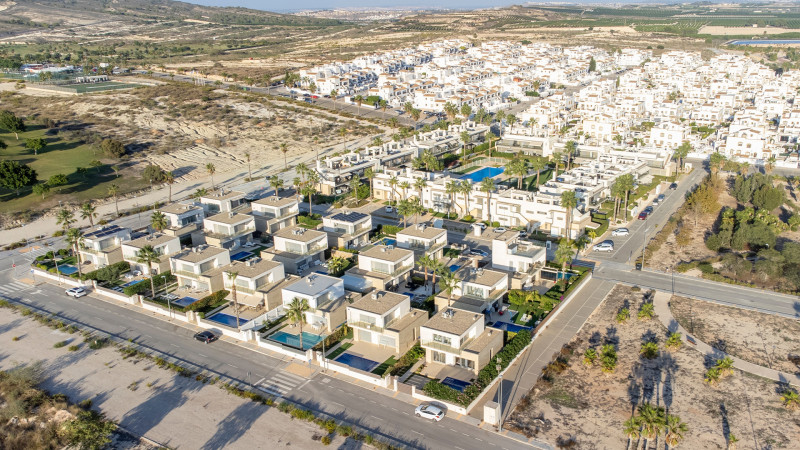
Did you know that new build properties in Spain now account for over 30 percent of all property purchases by foreign buyers? With increasing demand for modern, energy-efficient homes, international purchasers are turning their attention to Spain’s sun-drenched regions to secure their dream lifestyle or sound investment.
However, one of the most common questions we hear from prospective buyers is: how can I finance a new build property in Spain as a non-resident?
Whether you are planning to relocate, purchase a second home, or diversify your property portfolio, understanding your financing options is crucial. In this guide, we cover everything you need to know to approach your purchase with confidence. This includes mortgage types and eligibility criteria, buying off-plan, and how to optimise your costs.
Understanding the Spanish Property Market in 2025
The Spanish real estate market remains dynamic and competitive in 2025. Many buyers continue to show strong interest in new build properties, especially in popular coastal destinations like the Costa Blanca, Costa Cálida and Costa del Sol.
One of the key factors influencing the market is a steady increase in property prices for newly built homes. Recent reports suggest an average annual growth of 4.2 percent, which indicates continued appreciation and buyer confidence. This upward trend is largely driven by ongoing demand for modern, energy-efficient homes with access to amenities, natural surroundings, and good infrastructure.
In addition to attractive prices, interest rates in Spain remain relatively low compared to other European countries. This makes mortgage financing an accessible and appealing option for non-resident buyers. International remote work trends, lifestyle shifts after the pandemic, and retirement planning are also key motivators for property investment in Spain.

Financing Options for Foreign Buyers
Foreign buyers can secure property financing in Spain through several channels, but Spanish mortgages are the most common and practical solution. These mortgages are available to non-residents, provided certain eligibility requirements are met.
There are three primary types of mortgage products offered in Spain.
A fixed-rate mortgage offers stable and predictable monthly payments, which many buyers prefer for long-term budgeting. This type of loan ensures that the interest rate remains unchanged throughout the loan term. This shields borrowers from market fluctuations.
A variable-rate mortgage is typically linked to the Euribor, which is the Euro Interbank Offered Rate. It may offer a lower interest rate at the outset, but the rate can increase or decrease over time depending on economic conditions. This option suits buyers willing to accept a degree of risk for the potential of lower repayments.
A mixed mortgage combines elements of both fixed and variable-rate mortgages. Usually, a fixed rate applies for the initial years, followed by a variable rate for the remainder. This product has become increasingly popular among foreign buyers in 2025 as it offers a balance of security and flexibility.
Most Spanish lenders will offer up to 70 percent of the property’s purchase price to non-residents. This means you will need to provide a 30 percent deposit, plus additional costs and taxes. Mortgage terms can range up to 25 years, and affordability checks are based on proof of income, employment status, and overall financial health.
In some cases, buyers may also explore equity release from a property in their home country or secure a private loan. Developer payment plans are another viable alternative, especially when buying off-plan, and may come with favourable conditions arranged directly with the builder.
How Buying Off-Plan Affects Financing
Purchasing a new build property off-plan, meaning before construction is complete, is a common practice in Spain. This is especially true among international buyers seeking early access to exclusive developments.
The financing structure for off-plan purchases typically involves a staged payment process. Initially, a reservation fee is paid to secure the property. This fee generally ranges from six thousand to ten thousand euros, depending on the developer and property value.
Following this, a series of instalment payments are made throughout the construction phase. These staged payments may total between 20 percent to 40 percent of the overall price and are clearly outlined in the developer’s payment plan. Upon completion of the property and signing the title deed, the remaining balance is paid, usually through a mortgage or personal funds.
Many developers also provide bank guarantees on all instalment payments. This safeguard protects the buyer in the event that the development is delayed or not completed. Estate agencies such as BC Partners only work with reputable developers who comply with these legal protections. This gives buyers added peace of mind.

Costs to Consider When Financing a New Build
In addition to the deposit and the mortgage itself, there are several other costs that buyers must account for when purchasing a new build property in Spain.
Firstly, the Value Added Tax or IVA on new build homes is typically 10 percent of the property price. This tax is not applicable to resale properties but is a standard cost for all new constructions.
Another important tax is the Stamp Duty, known in Spanish as Actos Jurídicos Documentados or AJD. This ranges from 1 percent to 1.5 percent, depending on the autonomous region where the property is located.
Additional expenses include legal fees, notary fees, and land registry charges. Together, these usually amount to around 1 percent to 2 percent of the purchase price. Buyers should also budget for bank arrangement fees, typically between 0.5 percent and 1 percent of the loan amount, and valuation costs, which may be required by the mortgage provider.
Foreign buyers using different currencies should also consider currency exchange costs. These can vary significantly depending on the transfer method used. Working with a specialist currency exchange provider can save thousands of euros over the course of the transaction.
Why Choose BC Partners
When navigating a foreign property market, having a trustworthy and knowledgeable estate agency by your side can make all the difference. BC Partners offers a superior level of service tailored specifically to international buyers.
BC Partners brings extensive local expertise, with a strong presence in key areas in Costa del Sol. Their agents possess a detailed understanding of current market trends, pricing structures, legal requirements, and buyer expectations in these regions.
With a proven track record of success, BC Partners has assisted hundreds of international buyers in securing new build properties across Spain. Their experience spans all aspects of the purchase process, ensuring smooth transactions and satisfied clients.
What sets BC Partners apart is their personalised approach to service. They provide tailored guidance based on your preferences, budget, and objectives. They also work closely with reputable lawyers, mortgage brokers, and banks to support your financing needs.
BC Partners also values transparency. They offer honest advice, clear communication, and full disclosure on fees and timelines. Their client-focused philosophy ensures that your best interests are always a top priority.
Lastly, their strong partnerships with top-tier developers mean you gain access to high-quality properties, early-bird offers, and exclusive listings that are not available through other channels.
To learn more or explore current listings, visit www.bcpartners.es.
FAQs – Financing a New Build Property in Spain
Do I need a Spanish bank account to get a mortgage?
Yes. Most Spanish lenders will require you to open a bank account in Spain before approving a mortgage. This account is used to manage your loan repayments and cover ongoing expenses related to the property such as taxes, insurance, and utility bills. Opening a bank account in Spain is a simple process and can often be completed in one visit, though some banks allow you to do this remotely through a legal representative.
Can I get a mortgage in Spain as a non-resident?
Yes. Spanish banks regularly provide mortgage loans to non-resident buyers. While the maximum loan-to-value is usually limited to 70 percent of the property price, the process is accessible to most foreign applicants. To qualify, you must demonstrate financial stability, provide proof of income, and have a clean credit history. Documentation will typically include payslips, tax returns, and bank statements. Some banks may also require official translations of these documents into Spanish.
Are there special financing options for retirees or remote workers?
Yes, there are. Many Spanish lenders now understand the needs of retirees and remote workers. If you receive a steady pension or have consistent income from a remote job, you may still be eligible for a mortgage, even if you do not hold a traditional employment contract. Mortgage brokers working with BC Partners can help identify the right lender and structure your application to reflect your true financial position. The key is to demonstrate reliability and long-term income.
What are the risks of buying off-plan?
While buying off-plan can offer significant benefits such as lower prices, customisation options, and capital appreciation, it does come with certain risks. These include construction delays, changes in market value during the build period, and, in rare cases, issues with developers failing to complete the project. To reduce your risk, it is essential to ensure that all your staged payments are protected by a legally binding bank guarantee. BC Partners only collaborates with well-established, thoroughly vetted developers who have a strong history of completing projects on time.
Is it cheaper to finance in Spain or through my home country?
It depends on your personal circumstances. Spanish lenders offer competitive interest rates and the advantage of financing that is tailored specifically to Spanish property transactions. This can streamline the process and reduce complications. However, if you have strong credit and favourable terms available in your home country, it may be worth comparing both options. A mortgage broker can help you assess the total cost of each option, taking into account currency exchange fees, interest rates, and legal requirements.
Conclusion: Start Your Spanish Property Journey the Smart Way
Financing a new build property in Spain in 2025 is more accessible than ever for international buyers. With strong buyer demand, stable market growth, and a wide range of financing options, it is an excellent time to make your move.
By understanding how mortgages work in Spain, planning for all related costs, and partnering with a knowledgeable agency, you can secure your property with confidence.
BC Partners stands ready to help you every step of the way. Their personalised service, expert guidance, and access to exclusive developments make them the ideal partner for your Spanish property journey.
To begin, contact BC Partners or browse their curated listings at www.bcpartners.es. Your dream home in Spain is closer than you think.


